February 2024
Building the Foundations – Understanding Needs
17–24 February 2024
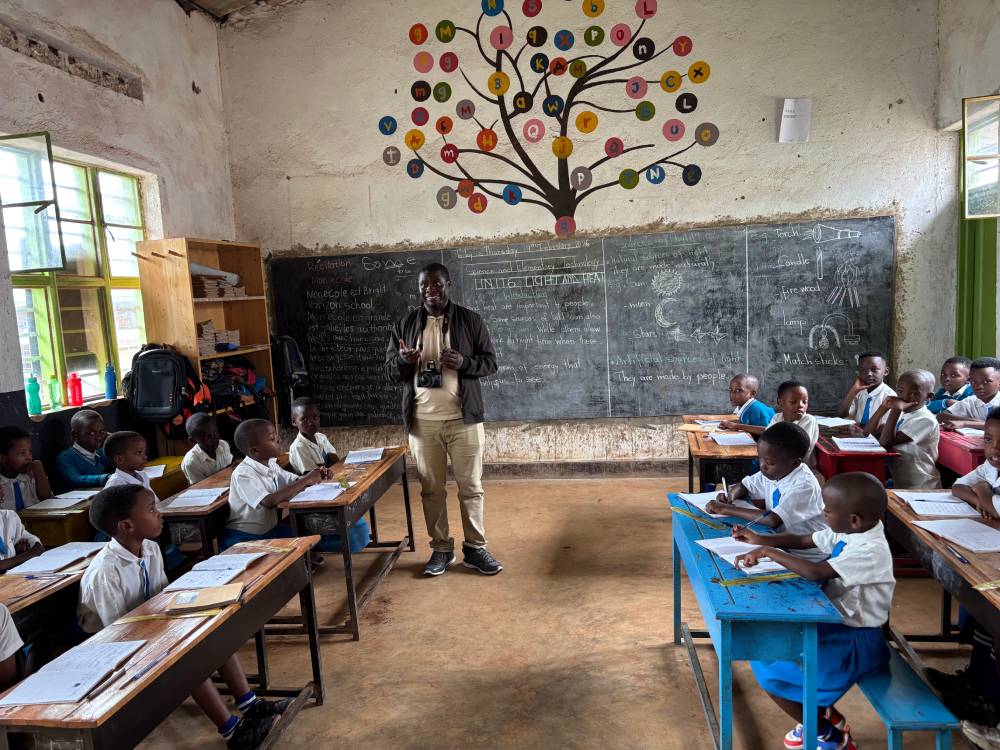
The first mission focused on getting to know schools and building a professional network. The RISE team visited ten schools in Kigali and the surrounding area and organised the first joint seminar with around 80 school leaders and teachers from 15 schools. Together, the major challenges of special needs education in Rwanda were analysed, laying the foundation for future cooperation.
Objectives
● Get to know schools
● Identify needs
● Build trust
● Define common priorities
Contents
● School visits
● Introduction to Special Needs Education
● Exchange of experiences
● Cooperation with parents
● Building a school network
● Developing a shared vision
Impact
The foundation of today's RISE network was established. Teachers identified their need for practical professional development, assessment tools, and teaching materials. At the same time, a shared vision for the further development of special needs education in Rwanda emerged.
August 2024
Understanding Children Better
5–7 August 2024
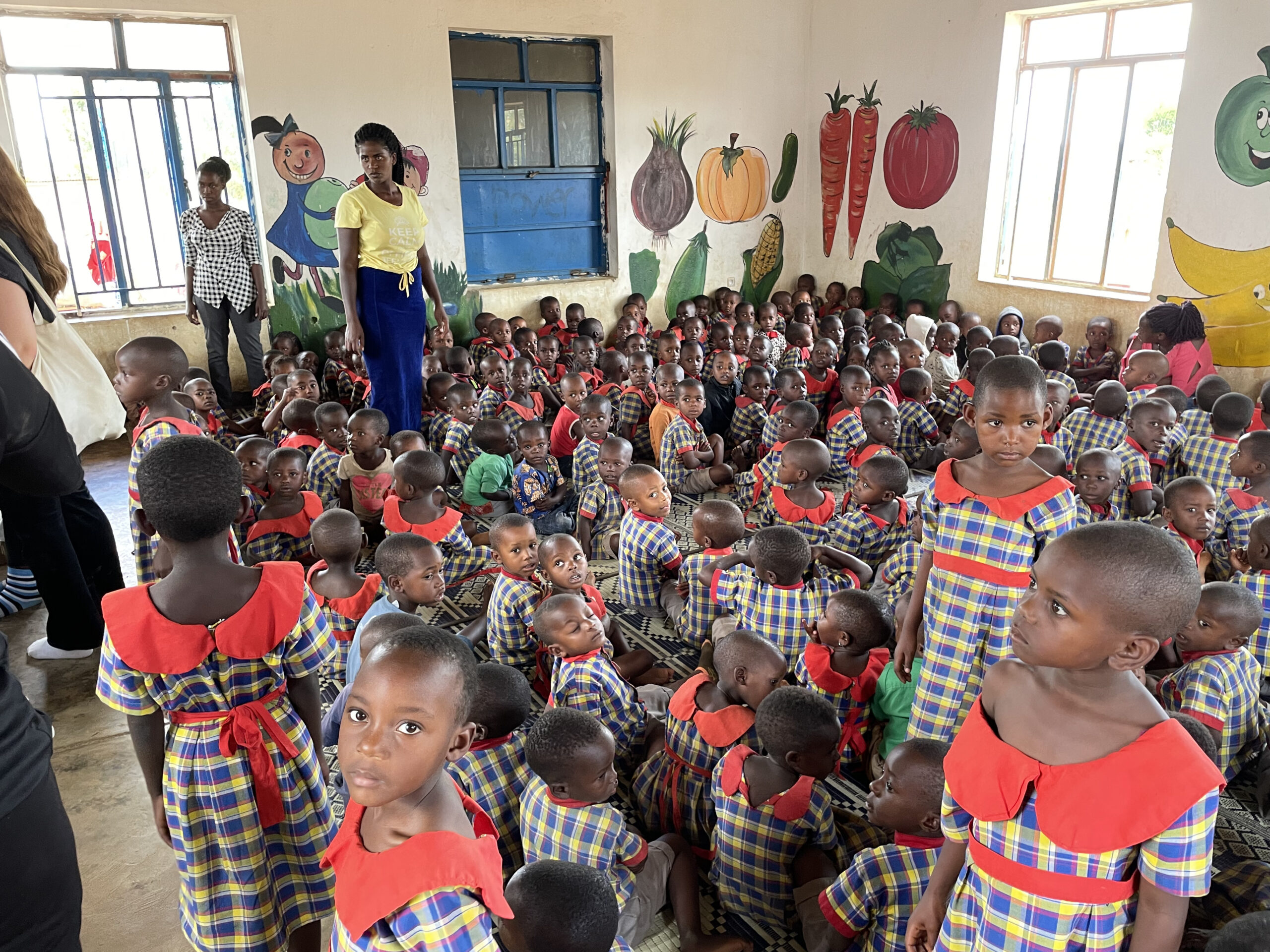
The second workshop deepened the professional foundations. In addition to contributions from the Swiss team, Rwandan school leaders shared their own experiences. At the same time, cooperation with the Rwanda Education Board (REB) began, giving the project its first institutional recognition.
Objectives
● Deepened understanding of different developmental pathways
● Strengthen teachers in supporting children with special educational needs
● Expand cooperation with educational authorities
Contents
● Emotional development / Introduction to the SED-S Assessment
● Autism, ADHD
● Parent collaboration
● Activity-Based Learning
● Practical examples from Rwandan schools
Impact
Teachers became familiar with assessment tools that help understand children's developmental age and the according behaviour which allows targeted support measures.
Relationships with the Rwanda Education Board and additional partner organisations were significantly strengthened.
February 2025
Learning through Action
13–14 February 2025
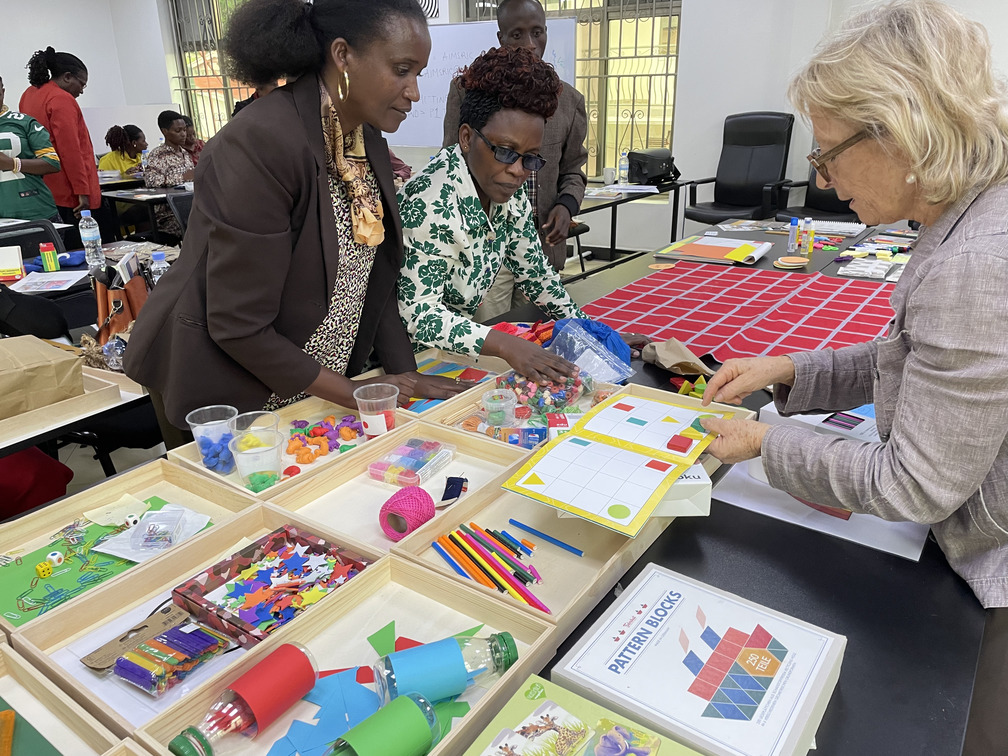
The third workshop focused on activity-based learning. Around 30 teachers explored teaching materials that can be produced using locally available resources and can be applied immediately in the classroom. These learning materials are suitable for pre-primary education, mainstream schools, as well as schools that primarily serve children with cognitive or physical disabilities. The focus therefore shifted from theory to practical classroom application.
Objectives
● Make teaching more practice-oriented
● Develop individual learning materials
● Promote holistic learning
● Deepen acquired knowledge
Contents
● Review and application of the SED-S Assessment
● Know and understand children's developmental stages and typical behaviors at different ages
● Introduction to and understanding of Activity Trays
● Producing teaching materials
● Learning through all senses
Impact
Participants developed their own learning materials and immediately implemented them in their schools. Initial contacts with the College of Education of the University of Rwanda were established with the aim of integrating the programme into teacher education over the long term.
July 2025
Further Developing Classroom Practice
14–16 July 2025
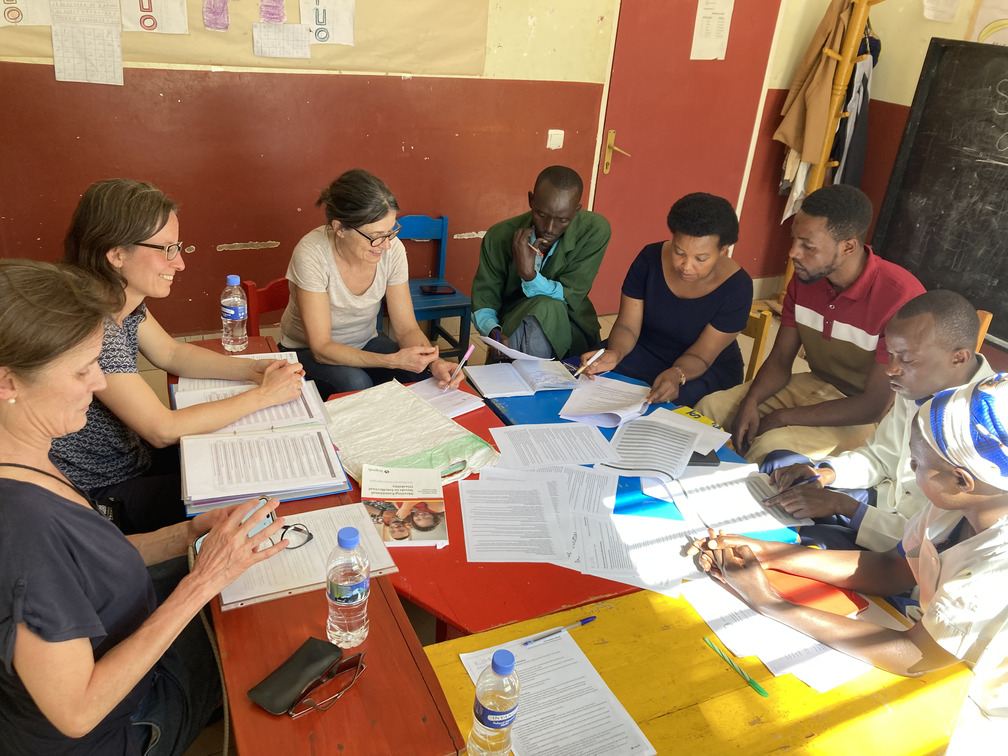
The fourth workshop built on the experience gained during previous courses. Many participants had already attended several workshops and were able to contribute their own experiences. The main focus was on deepening the application of the SED-S Assessment (determining a child's Emotional Developmental stage and responding with appropriate educational measures), classroom coaching, and the development of local multipliers.
Objectives
● Sustainably embed the course contents
● Develop teachers into local multipliers
● Expand classroom coaching
● Erstes Treffen mit dem Principal vom College of Education
Contents
● Vertiefung Emotionale Entwicklung / SED-S Assessment
● Independent application of the SED-S Assessment for one or more pupils in the participants' own classrooms
● Classroom coaching
● Activity-Based Learning: producing additional Activity Trays and explaining their purpose and educational value
● Exchange of experiences between schools
Impact
Individual training events developed into a committed network of schools. Teachers increasingly apply the SED-S Assessment independently and share their experiences within their own schools as well as with colleagues from other schools.
February 2026
From Knowledge to Implementation
16–21 February 2026
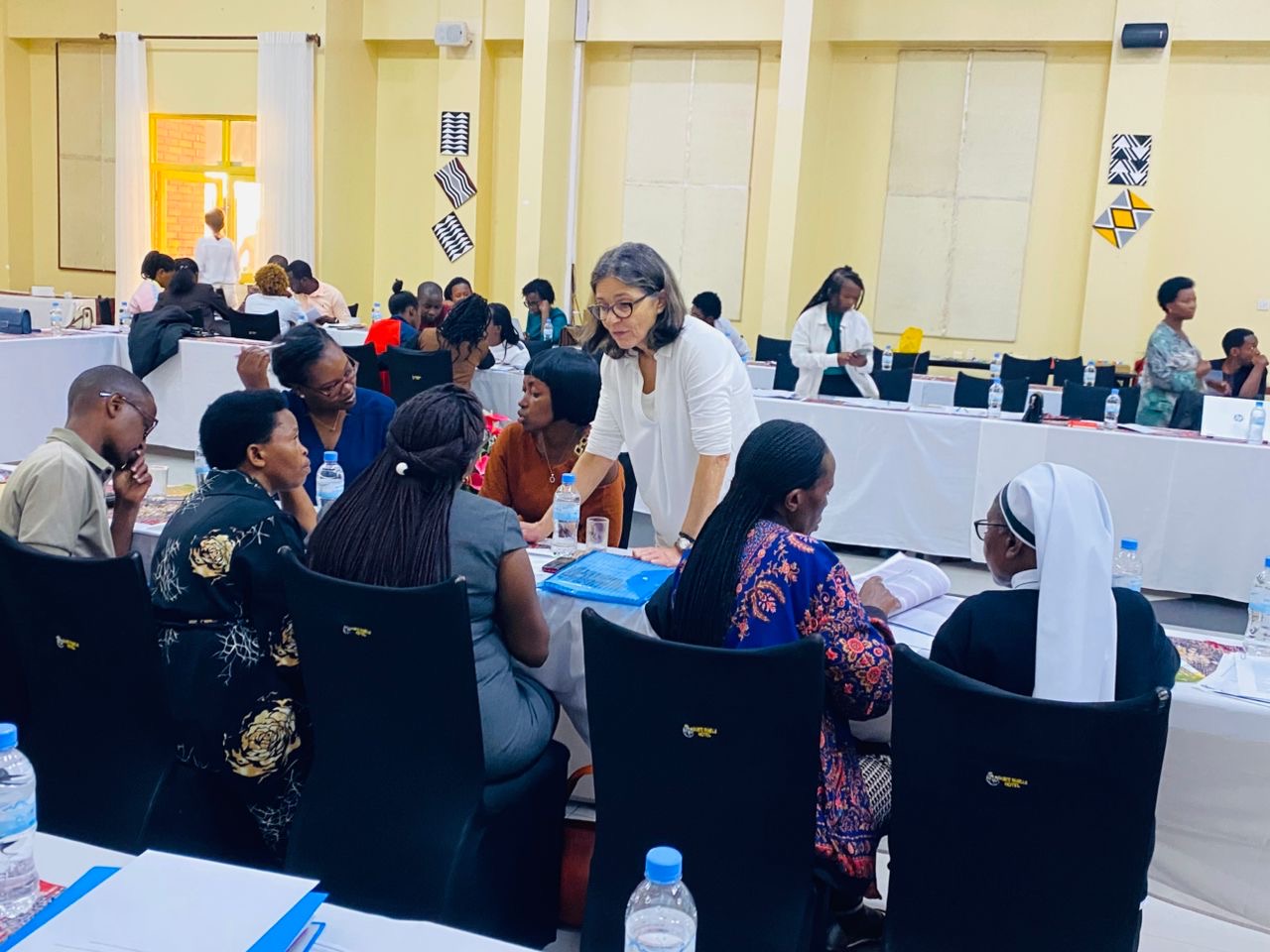
The fifth mission combined school visits with a two-day training programme. The focus was on the practical implementation of the knowledge and skills developed during the previous two years. At the same time, cooperation with Rukara Model School and the College of Education established an important connection with public schools and teacher education in Rwanda.
Objectives
● Support the implementation of new approaches in the classroom
● Provide individual coaching for schools
Contents
● School visits
● Classroom coaching
● Activity-Based Learning
● Application of the SED-S Assessment
● Communication and behaviour
● School development
Impact
The school visits demonstrated that many of the programme's approaches had already been successfully integrated into classroom practice. Many teachers now apply the SED-S Assessment independently, develop their own Activity Trays, and support colleagues in implementing the methods within their own schools.
August 2026
Making learning a hands-on experience
4.–6. August 2026
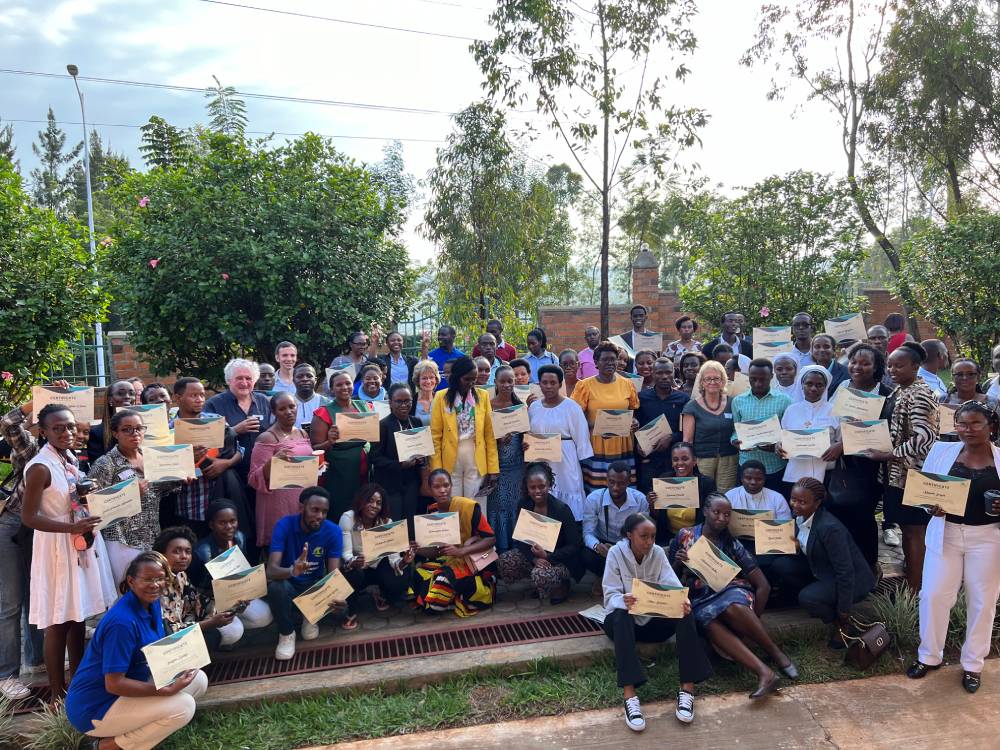
Fifty-five teachers and experts from 15 schools and institutions in Kigali participated in the sixth RISE-kwigira workshop. Building on the fundamentals taught in previous training sessions, this workshop focused on practical implementation.
Using simple, locally available materials, the participants developed their own learning activities for mathematics, language, and action-oriented learning. They considered which skills these activities could foster, how the materials could be adapted to different developmental stages, and how children could learn as independently as possible.
For the first time, the applications were also documented in short videos. This creates practical, step-by-step examples that other teachers can use and further develop.
Workshop 6 marks the end of the first development phase of RISE-kwigira. After six workshops, the focus is now on developing the proven content into modules, supporting schools in their implementation, and training local instructors in collaboration with Rwandan partners.
Objectives
● Lehrmittel gemeinsam entwickeln
● Gute Praxis dokumentieren
● Wissen nachhaltig teilen
● Digitale Ressourcen für Schulen aufbauen
Contents
● Entwicklung von Mathematik- und Sprachmaterialien
● Herstellung neuer Activity Trays
● Produktion kurzer Lernvideos
● Positive Behaviour Support (wird kaum Thema sein im August )
● Inklusive Klassenführung
● Kommunikation mit Kindern mit besonderen Bedürfnissen (wird kaum Thema sein im August)
Impact
Die Teilnehmenden entwickeln nicht nur eigene Unterrichtsmaterialien, sondern dokumentieren deren Anwendung in kurzen Videoclips. So entsteht eine wachsende digitale Lernplattform, welche den Wissenstransfer innerhalb des RISE-Netzwerks fördert und langfristig die Lehrerbildung in Ruanda unterstützen kann.