Education in Rwanda – An Opportunity for Inclusive Development
Progress
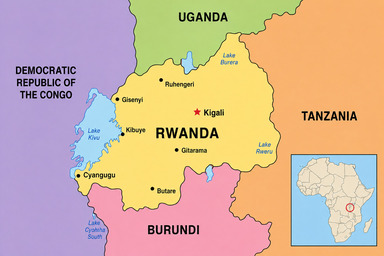
Rwanda has made remarkable progress in education in recent years. Compulsory education has been expanded, school enrolment is among the highest in Africa, and education is regarded as one of the country's most important investments for the future. At the same time, the education system faces significant challenges.
Young population
Around 40 percent of the population is under the age of 15. Every year, hundreds of thousands of children enter school. According to the Ministry of Education, approximately 25,000 classrooms were lacking in 2022 for around one million children. As a result, most teachers work with classes of 30 to 50 students. Despite the great commitment of teachers and the strong motivation of children to learn, large class sizes, limited resources, and basic infrastructure make individual support difficult.
Special educational needs
Children with learning difficulties, developmental delays, autism, speech and communication disorders, or other special educational needs often do not receive the support they require. Their difficulties are recognised too late or misunderstood. As a result, existing abilities remain undeveloped, and many children cannot reach their full potential. Teachers are often left alone in these situations because they lack appropriate training, suitable assessment tools, and practical teaching materials.
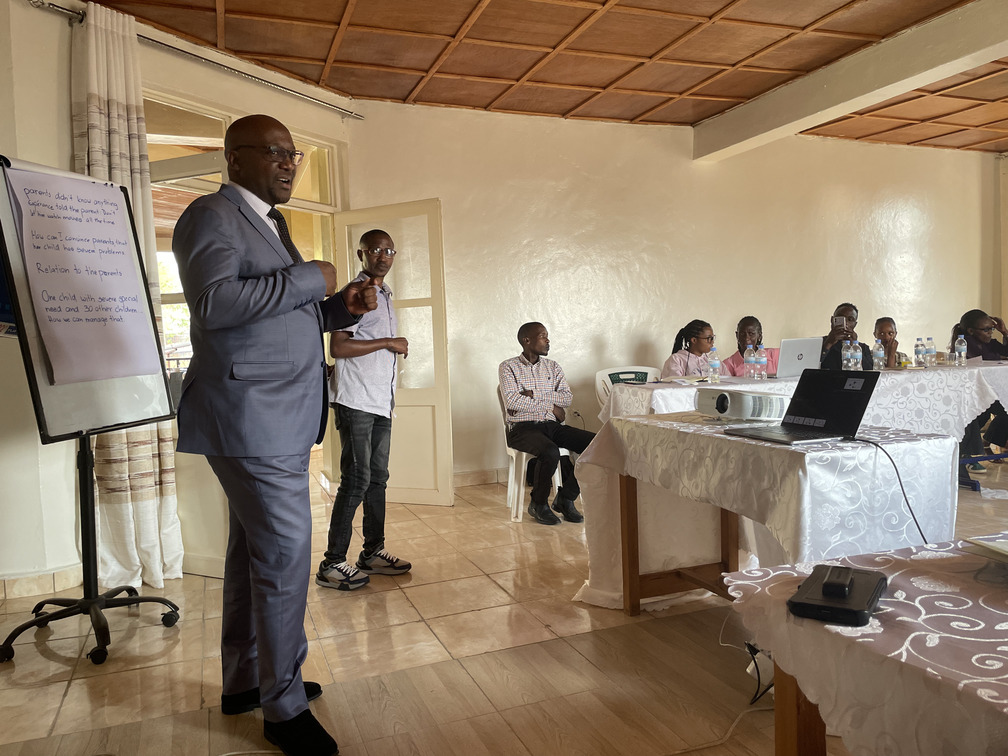
Pricipal of the college of Education
Why Special Needs Education?
In RISEs understanding Special Needs Education means empowering the teachers in the rwandan schools to effectively support children with different learning prerequisites.
This includes:
- Recognising and understanding children's developmental stages.
- Adapting teaching to different learning needs.
- Using simple teaching materials that can be produced locally.
- Better understanding and supporting children's communication and behaviour.
- Involving parents in the support process.
- Creating inclusive learning environments that benefit all children.
A Need Identified by Rwanda Itself
International experience shows that teaching which responds to different learning needs benefits not only children with special educational needs but all learners. Strong competencies in special needs education improve the overall quality of teaching.
RISE – Rwanda Initiative for Special Needs Education.
The development of special needs education is not an externally imposed initiative. During an evaluation, the Rwandan Ministry of Education identified the need for increased investment in Special Needs Education: Special Needs Education:
„Special needs education is an area that needs more investments. Schools that offer such services can be out of reach of some children. There is a need for increasing affordable special needs education facilities and training for teachers.“
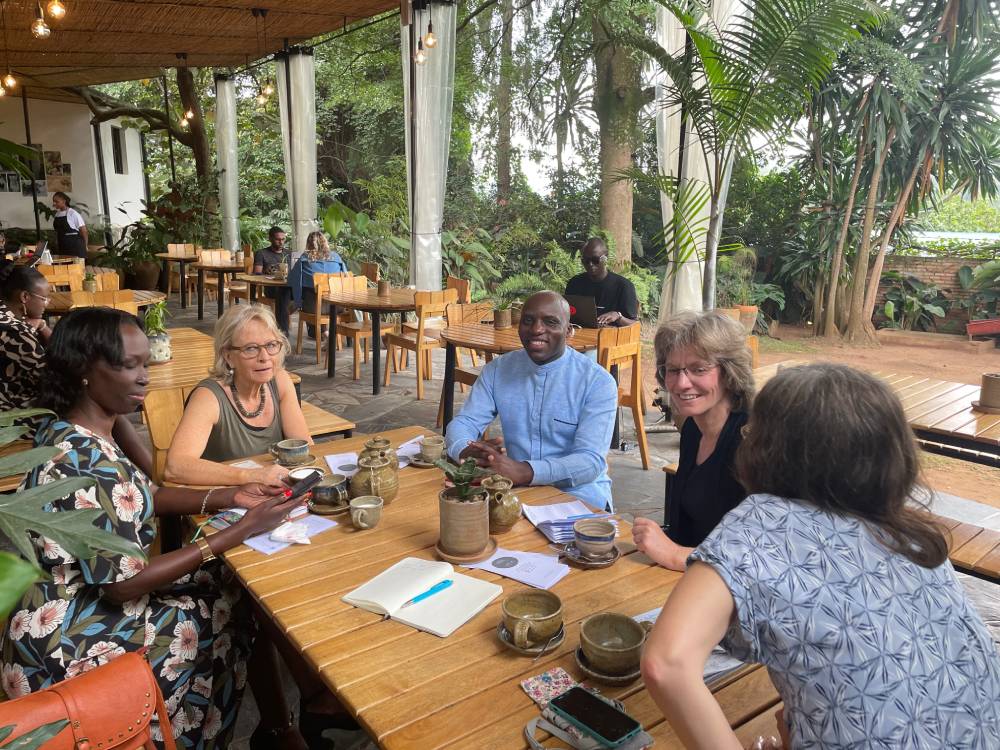
This statement served as the starting point for the collaboration between Rwandan and Swiss experts. In May 2022 and again in June 2023, David Schneider held discussions with Gaspard Twagirayezu, then Minister of Education, about establishing a joint program to promote special education in Rwanda. This led to the creation of the initiative
RISE – Rwanda Initiative for Special Needs Education.
Our Approach
RISE invests in people. The focus is on teacher training, school support and the developoment of local expertise. The long term goal is to integrate special needs education into teacher education so that knowledge gradually spreads throughout the entire education system.
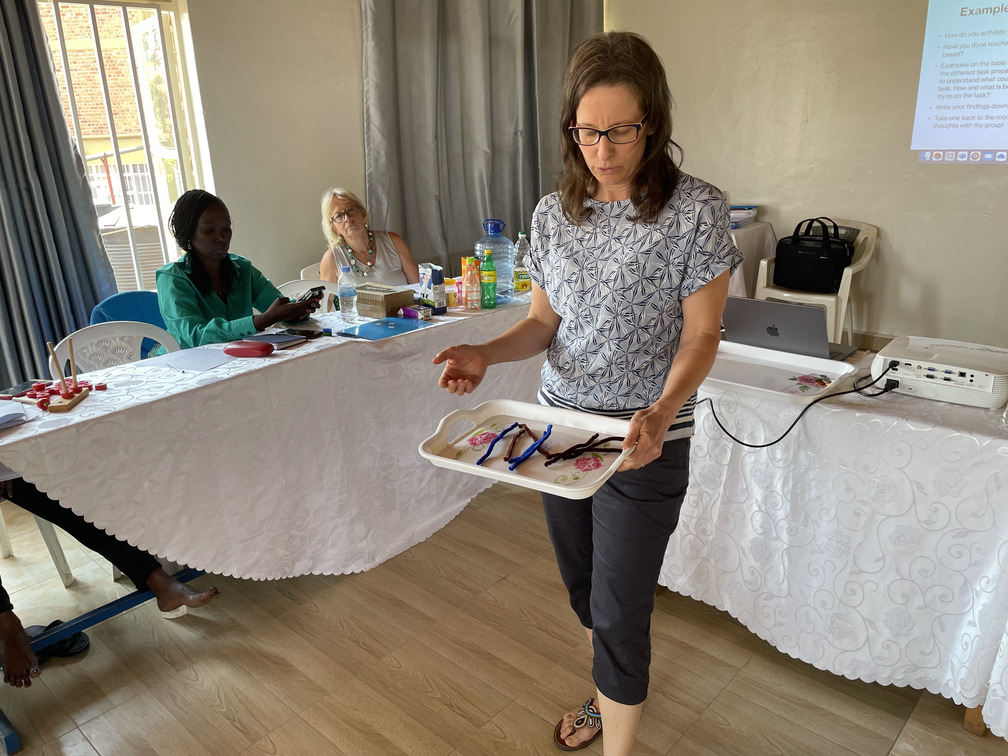
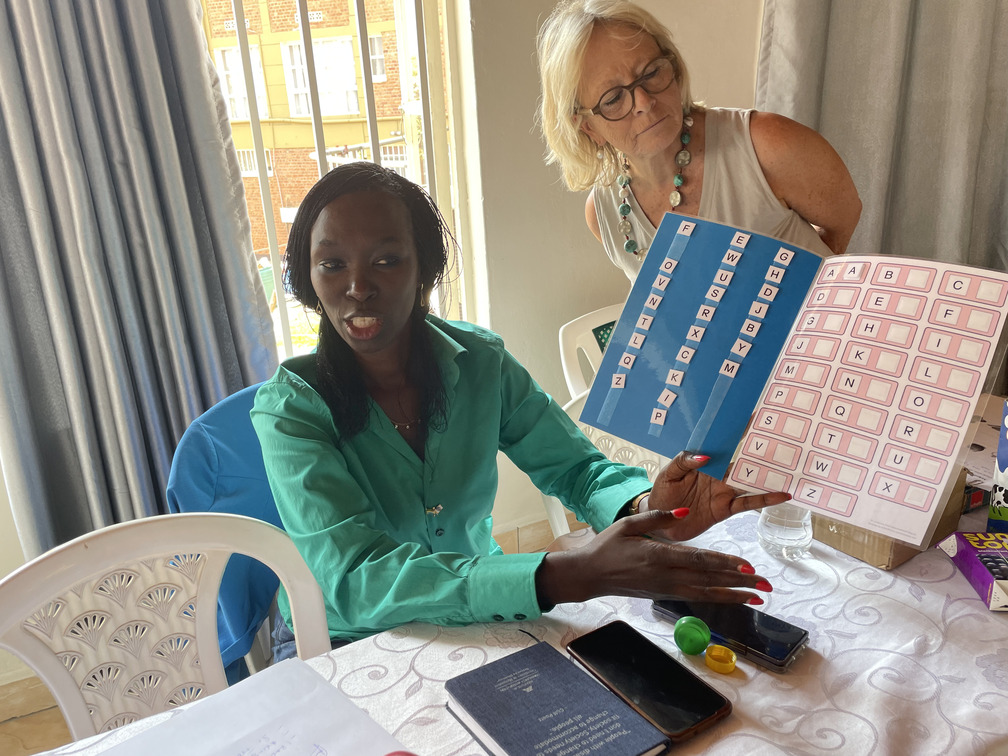
Every teacher who learns how to better support children with special educational needs reaches hundreds of children over the course of a career. In this way, relatively modest resources create a sustainable impact—for individual children, entire schools, and ultimately the education system of Rwanda.
Sustainable Collaboration
RISE shares proven special education teaching modules through specialists from Switzerland and further develops them together with Rwandan teachers and professionals for use in local schools. The long-term goal is to establish these practice-oriented modules as a supplement to public teacher education in Rwanda. Therefore, we are building a partnership between Swiss Institutes of Special Needs Education and the College of Education of the University of Rwanda, ensuring that knowledge is sustainably transferred and embedded locally.